


.svg)


.svg)
How to Know If Your Pool Has a Leak (And What to Do About It)
Suspect a pool leak? Learn how to detect leaks, what repairs involve, and how to prevent future problems. Expert guidance from 40+ years of pool service experience.
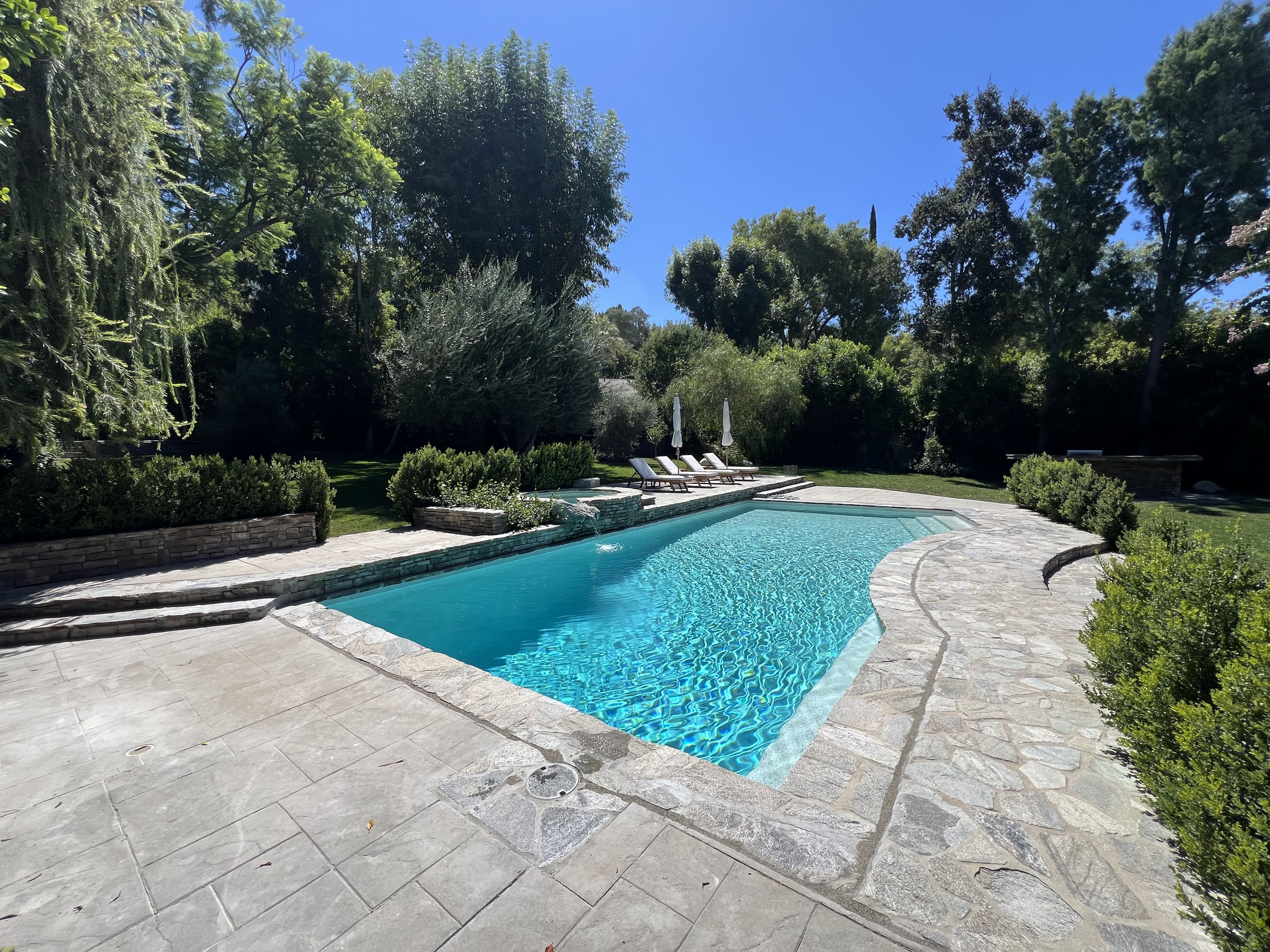
Every pool loses water to evaporation — especially in Southern California where our hot, dry climate accelerates water loss. But when evaporation becomes excessive, you might have a leak requiring professional pool leak repair. After servicing thousands of pools since 1987, we've seen every type of leak imaginable and know exactly how to find and fix them.
Here's how to determine if you need pool leak repair and what to expect from the process.
Normal Evaporation vs. Actual Leaks
Southern California pools typically lose 1/4 to 1/2 inch of water per day during summer from evaporation alone. That's normal. Over a week, you might lose 2-3 inches. Wind, low humidity, and high temperatures all increase evaporation rates.
Suspect a leak requiring pool leak repair if you notice water loss exceeding 1/2 inch per day, soggy areas around your pool, cracks in deck or pool structure, loose or hollow-sounding tiles, water level drops below skimmer opening, or equipment running longer to maintain proper levels.
One simple test: Fill a bucket with pool water and mark water levels in both bucket and pool. After 24 hours, compare water loss. If your pool lost significantly more water than the bucket, you likely need pool leak repair.
Common Leak Locations
Pool leak repair typically addresses issues in specific areas that are most vulnerable to damage.
Plumbing Lines - Underground pipes crack from ground settlement, tree roots, or age. These leaks are particularly problematic because they waste water constantly and can undermine pool structure or surrounding soil.
Equipment - Pump seals, filter housings, heater connections, and valve bodies all develop leaks over time. Equipment leaks are usually visible and relatively straightforward to repair.
Shell Structure - Cracks in gunite or shotcrete shells allow water to escape. These result from ground movement, improper construction, or age-related deterioration.
Fittings and Returns - Skimmers, return jets, light housings, and drain fittings seal against pool surfaces. When these seals fail, water escapes around the fitting.
Tile and Coping - Deteriorated grout or failed bonds between tile and shell create leak pathways. These often start small but worsen over time.
At SoCal Pools®, our pool leak repair experience helps us quickly identify the most likely problem areas based on your pool's age, construction type, and symptoms you're experiencing.
Professional Leak Detection Methods
While homeowners can identify obvious leaks, many require professional detection equipment and expertise. Our swimming pool company in Canyon Country uses multiple methods for accurate pool leak repair diagnosis.
Pressure Testing - We isolate plumbing lines and pressurize them individually. Pressure drops indicate leaks in that specific line. This pinpoints problems without excavating your entire yard.
Dye Testing - We inject colored dye near suspected leak locations. Water movement draws dye toward leaks, making them visible. This works especially well for shell cracks and fitting leaks.
Electronic Detection - Specialized equipment detects changes in electrical conductivity caused by water escaping into surrounding soil. This technology locates underground leaks without digging.
Visual Inspection - Sometimes leaks are visible during detailed examination of equipment, fittings, and surfaces. Our decades of pool leak repair experience help us spot subtle signs others might miss.
Accurate detection is critical. Incorrect diagnosis leads to unnecessary repairs while the actual problem persists. We take time to properly identify issues before beginning pool leak repair work.
What Pool Leak Repair Actually Involves
Repair methods depend entirely on leak location and severity.
Plumbing Repairs - We excavate to access damaged pipes, remove and replace affected sections, pressure test repairs before backfilling, and restore landscaping to original condition. Modern pipe materials are more durable than what was originally installed, often making repairs more reliable than the original plumbing.
Equipment Repairs - These typically involve replacing worn seals, tightening or replacing fittings, updating old valves or housings, or installing new equipment if damage is extensive. Equipment pool leak repair is usually completed within hours.
Structural Repairs - Shell cracks require draining the pool, cleaning and preparing crack surfaces, applying structural repair compounds or injections, and allowing proper cure time. Surface refinishing may be necessary depending on crack severity and location.
Fitting Repairs - We remove and reset leaking fittings with fresh sealing compound, replace worn gaskets or components, verify watertight seals, and test thoroughly before considering repair complete.
Tile and Grout Repair - We remove deteriorated grout, clean surfaces thoroughly, apply new grout or sealant, and ensure water can't penetrate behind tiles.
At SoCal Pools®, we complete pool leak repair work using quality materials and proven methods that deliver lasting results. We're not interested in temporary fixes that fail within months — we want permanent solutions.
Cost Considerations for Pool Leak Repair
Homeowners always ask about pool leak repair costs. The honest answer is that it varies dramatically based on leak location and severity.
Simple equipment seal replacement might cost $150-$300. Extensive underground plumbing replacement could exceed $2,000-$3,000. Structural crack repair typically ranges from $500-$2,000 depending on extent and accessibility.
The key is addressing leaks promptly. Small leaks become larger ones. Water escaping around your pool undermines structure and creates much more expensive problems. What might cost $500 to repair today could become a $5,000 problem in a year.
We provide detailed estimates before beginning pool leak repair work so you know exactly what to expect. No surprises, just honest pricing for quality repairs.
Preventing Future Leaks
While some pool leak repair needs are unavoidable, you can minimize future problems through regular inspections of equipment for wear, maintaining proper water chemistry (aggressive water attacks surfaces), addressing small cracks or damage promptly, ensuring adequate pool support and drainage, and scheduling professional evaluations periodically.
At SoCal Pools®, our regular maintenance clients benefit from early leak detection. We notice subtle changes in water level, equipment performance, or surface condition that indicate developing problems. Catching issues early dramatically reduces pool leak repair costs.
When to Call Professionals
Some leaks are obvious emergencies — like water pouring from equipment or rapidly dropping water levels. Others develop slowly over time. Don't wait until small problems become major expenses.
If you suspect any leak, even minor water loss that exceeds normal evaporation, contact experienced swimming pool professionals in Malibu for evaluation. We've performed countless pool leak repair services since 1987 and can quickly determine whether you have a problem requiring attention.
Our pool leak repair expertise means we find leaks others miss and fix them right the first time. Your pool is too valuable to trust to inexperienced pool contractors in Los Angeles learning on your property.
.jpeg)






Ready to Start Your Los Angeles Pool Journey?
With nearly 40 years of experience serving Los Angeles families, we understand what makes pools successful in our unique climate and lifestyle. From initial design consultations through construction, equipment installation, and ongoing maintenance, we're your partner in creating backyard paradise.
.svg)
Get a Quote
Simply leave your details, and we'll get back to you right away.





Complete Pool Construction, Remodeling, and Service | Licensed & Insured | Serving Southern California Since 1987
CA Contractors Lic. #618217